Toll free number

What Are The Advantages of Using Gurjan Plywood?

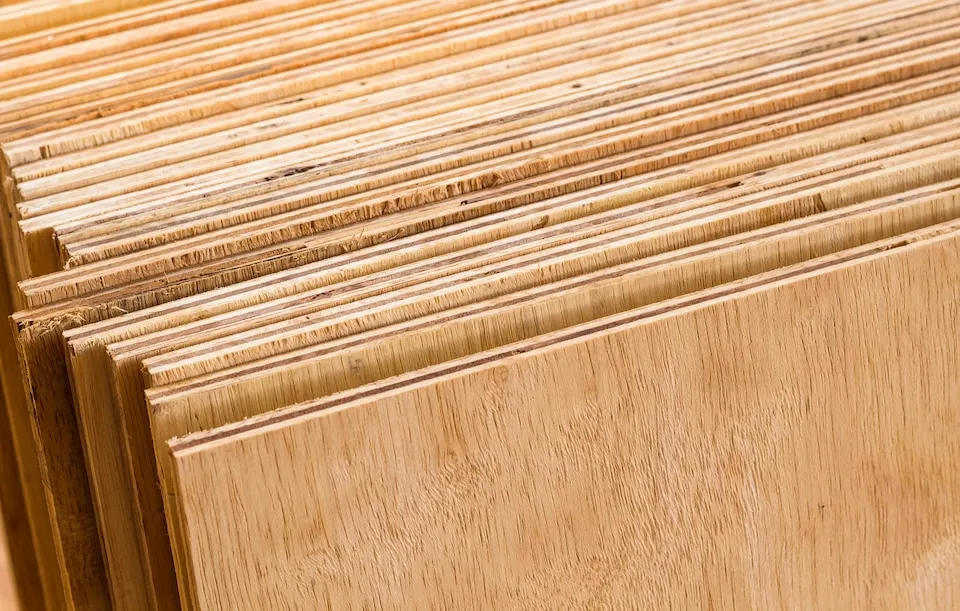
Gurjan Plywood is a premium quality plywood known for its strength and durability. It is made from the timber of Gurjan trees and is mostly found in  Southeast Asian countries.

Plywood is a great option for any project, but Gurjan plywood is a superior choice over other types. 

So, let’s examine the advantages of Gurjan plywood and see what makes it a top choice compared to other plywood types.

Superior Strength and Durability

Gurjan plywood is popular for its high density and durability. Gurjan trees can resist harsh weather conditions because of their substantial weight and pressure.

The load capacity of Gurjan plywood is a major advantage for structural applications, including flooring, roofing, and wall panelling.

Resistance to Moisture and Pests

One of the significant advantages of Gurjan plywood is its resistance to moisture and pest attacks. Humidity and pest issues can damage wooden structures and result in high costs for repairs and replacement. 

However, the chemical treatment and natural oil in Gurjan wood reduce the risk of leakage and swelling. Afyun Plywood manufacturer offers superior and authentic quality Gurjan Plywood to our customers.

Aesthetically Pleasing and Versatile

Gurjan plywood is renowned for its aesthetically appealing texture, which adds elegance to any space or construction project. Its smooth surface and structural quality make it ideal for high-end furniture, cabinetry, and interior decor. 

This plywood is also highly versatile and can be used in a wide range of applications. It can be more flexible and finished to meet specific design requirements.  So, Gurjan Plywood is a better choice for architects and designers.

Sustainable and Eco-friendly 

Gurjan plywood is an environmentally responsible choice because it is made from sustainably sourced timber. The manufacturing process also adheres to strict environmental standards, minimising the ecological impact. Choosing Gurjan plywood ensures the use of high-quality material and supports sustainable practices. 

Cost-Effective and High Value 

Gurjan plywood is a cost-effective choice, making it appealing for budget-conscious construction projects. 

Its durability, strength, and resistance to environmental factors reduce the need for frequent replacements or repairs and add value to any project without significantly increasing costs. 

Investing in Gurjan plywood ensures a high-quality outcome that can enhance the functionality and appearance of any project.

Applications of Gurjan Plywood

Following are some of the main applications of Gurjan Plywood 

  • Flooring
  • Roofing
  • Doors
  • Windows 
  • Furniture
  • Marine Applications
  • Formwork
  • Partition
  • Cabinetry
  • Walls and Panels 

Conclusion

Gurjan plywood provides so many advantages that make it a preferred choice for various applications in the construction and woodworking industries. So, if you have an upcoming project that requires plywood, try investing in Gurjan Plywood.

Afyun Plywoods offers high-quality, eco-friendly Gurjan plywood, enabling customers to positively impact the environment by reducing their carbon footprint and supporting sustainability.

How To Choose The Right Plywood For Your Project 

Sometimes, you may struggle to choose the right plywood for your project.  

There are so many plywood options on the market, but finding the right one for your requirements can be challenging. 

The choice of plywood can impact your project’s final look, strength, and durability. So make sure to find the right fit for your needs.

Here are some useful tips on selecting the right plywood for your project.

1. Consider Your Project Requirements

Start by assessing the project’s specific need and choose plywood that can support the weight of the finished product. 

Consider load-bearing capabilities, moisture exposure, resilience against decay or pests, and the desired aesthetic or finish. 

These aspects will assist you in narrowing down the choices based on the suitable plywood grade, thickness, and dimensions. 

2. Understand Plywood Grades

Plywood is available in different grades based on the quality of the wood and the visibility of the plywood in your project. 

Grades range from highest quality A to lowest quality D. For visible areas, It’s better to use higher-grade plywood. 

D-grade plywood is a low-quality and least expensive option typically used for temporary projects.

3. Consider the Type of Plywood 

Always choose the plywood that best suits your project’s needs. There are different types of plywood available on the market, such as Marine Plywood, Gurjan Plywood, Fire-retardant Plywood, Shuttering Plywood and more

Marine plywood is top-quality plywood that can withstand boiling water for over 500 hours and repel water easily. It has excellent water resistance and is primarily used for marine environments, outdoor applications, boat building, etc.

MR(Moisture Resistant) Grade Plywood is known for its high resistance to moisture in damp and humid conditions.

BWR (Boiling Water Resistant) plywood is more water-resistant than interior-grade MR plywood.

Fire-retardant plywood is made from high-density hardwood veneers and is designed to resist extreme fire conditions and sparks and lower the pace of fire generation in case of a fire.

Gurjan Plywood is a premium quality, extra strong, and durable plywood made from the wood veneers of Gurjan trees.

Afyun provides a wide range of plywood options like this. So select the best plywood with us.

4. Check Thickness and Size

Plywood is available in various thicknesses and sizes, ranging from 1/8 inch to 1-1/4 inch or even more. The required thickness for your project depends on its application and the load it will bear. 

A thicker piece of plywood can support more weight, making it an ideal choice for projects that require strong support, such as shelving or flooring. Thinner plywood is less durable but more flexible and lighter.

5. Budget Constraint

When choosing plywood for your project, it’s essential to consider your budget and try to find a balance between cost and quality. 

Plywood prices can vary based on its durability, lifespan, waterproofing, grade rating, and even the company brand.

So make sure that your chosen plywood meets quality and safety standards within budget.

Summary

By carefully observing these factors and understanding the precise needs of your project, you can make a well-informed decision in choosing the plywood that best meets the requirements for strength, durability, and visual appeal.

Discover high-quality products and professional services with Afyun – India’s Premier Plywood manufacturer today! Visit us at www.afyun.com and start your next project with us. 

Why Blockboards Are a Great Choice for Furniture?

When it comes to building furniture, there are many options available for the main structure. Solid wood is a classic choice, but it can be expensive. Plywood is a popular and affordable option, but it can sometimes lack strength, especially for larger pieces.

Blockboard, however, offers a compelling middle ground. It’s an engineered wood product that combines some of the best features of both solid wood and plywood, making it a great choice for a variety of furniture projects.

Here’s why blockboards might be the perfect choice for your next furniture build:

Strength and Stability

Blockboard is made with a core of solid wood strips, sandwiched between two outer veneers. This construction method gives blockboard superior strength and rigidity compared to plywood. This makes it ideal for furniture pieces that need to bear a lot of weight, such as bookshelves, cabinets, and even beds.

Reduced Warping

Because of its core construction, blockboard is also less prone to warping and bending than plywood. This is especially important for long and wide furniture pieces, where even slight warping can be a major issue.

Larger Sizes

Blockboards often come in larger panel sizes than plywood. This can be a major advantage when building large furniture pieces, as it allows you to create a seamless look with fewer seams.

Screw-Holding Power

The solid wood core of blockboard makes it much better at holding screws than plywood. This is important for furniture that needs to be assembled securely and withstand regular use.

Cost-Effective

While not quite as cheap as plywood, blockboard is generally more affordable than solid wood. This makes it a great option for those who want a balance between affordability and strength.

Also read: Blockboard vs Plywood

Conclusion

To put it short, blockboard furniture offers the best of both worlds:  durability and affordability.  Thanks to its strong core construction, blockboard resists warping and sagging, ensuring your furniture looks great for years to come.  This makes it a smart investment for those seeking long-lasting pieces that can handle everyday use, all without breaking the bank.

Multiwood vs. Blockboard: What Are the Differences?

Choosing the right material for your project can be tricky, especially when there are similar options like multiwood and blockboard. Both materials have their own advantages and disadvantages, making it crucial to understand their key differences before making a decision.

This table provides a side-by-side comparison of multiwood and blockboard to help you choose the most suitable one for your needs:

Multiwood vs. Blockboard

FeatureMultiwoodBlockboard
MaterialPolyvinyl Chloride (PVC) foam boardCore of softwood strips sandwiched between wood veneers
Water ResistanceExcellentGood
Fire ResistanceGoodNot inherently fire resistant, but treated varieties are available
DurabilityModerately durable, susceptible to dents and scratchesMore durable than multiwood, can hold screws better
VersatilityLimited; mainly used for kitchen cabinets, bathroom vanities, and furnitureMore versatile; can be used for furniture, doors, partitions, and wall paneling
WeightLighterHeavier
WorkabilityEasy to cut and shapeEasy to cut and shape
CostGenerally more expensive than blockboardGenerally less expensive than multiwood
AestheticsSmooth, modern finish; available in various colors and laminatesNatural wood grain, can be painted or veneered

Conclusion

Multiwood is a good choice if you prioritize water and fire resistance and a sleek, modern aesthetic. However, its lower durability and higher cost compared to blockboard might be drawbacks.

Blockboard is a more versatile and affordable option, offering better screw holding capacity and a natural wood look. However, it might not be the best choice for areas with high moisture exposure.

Ultimately, the best choice depends on your specific project requirements and priorities. Consider factors like budget, desired aesthetics, and the intended use of the material before making your final decision.

Plywood Vs. MDF: Which One Should You Choose?

Previously, we have compared plywood with many other materials like Blockboard, HDHMR and more. 

Now, here we are going to compare plywood and MDF (Medium-Density Fiberboard), which is another pivotal material in woodworking. 

While both possess unique attributes, they cater to distinct applications. 

Let’s take a look. 

Difference Between MDF And Plywood

FactorPlywoodMDF
CompositionPlywood is crafted from layers of thin wood glued together, resulting in a robust and versatile material.MDF, on the other hand, comprises wood fibres bonded with adhesive, providing a smooth, uniform surface.
Strength and DurabilityPlywood boasts impressive durability, less prone to sagging or warping under heavy loads.MDF, while sturdy, is comparatively less durable, making it more susceptible to sagging over time.
WeightPlywood is notably heavier due to its layered construction, adding substantial weight to projects.MDF, being denser, is relatively lighter, making it advantageous for applications where weight is a concern.
Surface SmoothnessPlywood offers a reasonably smooth surface, suitable for a variety of finishes, including paint, stain, or veneer.MDF provides a smoother surface, ultimately providing a flawless finish, especially in painting.
CostGenerally, plywood tends to be more expensive due to the manufacturing process and quality of the raw material.MDF is comparatively affordable, making it a good option if you have budget constraints.
Environmental ImpactLow impact on the environment since manufacturers source it from sustainable wood forests.MDF often comprises recycled wood fibres, making it eco-friendly.
Moisture ResistancePlywood exhibits resistance to moisture damage, making it suitable for applications where exposure to humidity or water is likely.MDF, however, is more susceptible to swelling and damage when exposed to moisture, limiting its use in damp environments.
MachinabilityPlywood can be easily cut, shaped, and worked with standard woodworking tools, providing flexibility in design.MDF can be machined, but it requires special tools due to its density, demanding a more careful approach during shaping.
Screw Holding CapacityPlywood exhibits good screw holding capability, making it reliable for applications that require sturdy joints.MDF, while able to hold screws, has a lower capacity compared to plywood, necessitating careful planning and reinforcement for structural integrity.
Edging and FinishPlywood edges can sometimes splinter, requiring extra care and techniques for a polished finish.MDF edges are notably smooth, allowing for a clean, seamless finish that adheres well to various treatments.
ApplicationsPlywood caters to a wide range of applications, including furniture, cabinetry, flooring, outdoor applications and structural elements.MDF excels in indoor furniture and cabinetry, where its smooth surface and cost-effectiveness are valuable assets.
Environmental SensitivityPlywood may emit trace amounts of formaldehyde and Volatile Organic Compounds (VOCs) depending on the adhesive used, requiring proper ventilation during installation.MDF typically has low emissions, contributing to a healthier indoor environment, though it’s advisable to use proper safety measures when working with any wood material.

Also read: Engineered Wood vs Plywood

Conclusion

The choice between plywood and MDF relies on the unique demands of your project. If you prioritize durability and strength, plywood emerges as the frontrunner. On the other hand, if a flawless finish and budget considerations are paramount, MDF may hold the advantage. 

So, understand your requirements first, then go for the right material.

If you want plywood, make sure you reach out to us. At Afyun, we provide a wide range of plywood that cater to different needs. Check it out now. 

6 Frequently Asked Questions About Blockboards

Blockboards are a popular choice in the construction and furniture industries due to their durability, versatility, and cost-effectiveness. 

Despite their widespread use, there are still many misconceptions and questions surrounding blockboards. 

This blog aims to answer six of the most frequently asked questions about blockboards. This will provide clarity for those considering using this material for their next project.

  1. What is a Blockboard?

Blockboard is a type of engineered wood that is commonly used in the construction and furniture industries. It consists of a core made up of softwood strips placed edge-to-edge and sandwiched between two layers of hardwood veneer. 

The strips are glued together under high pressure to form a solid panel. The end product is a lightweight but sturdy board that can resist bending and warping. This makes it ideal for long panels such as doors, tables, shelves, and partition walls.

  1. How Does Blockboard Differ from Plywood?

While both blockboard and plywood are types of engineered wood, they differ significantly in their composition and properties. 

Manufacturers make Plywood by glueing together thin layers (or ‘plies’) of wood veneer. 

The blockboard is composed of a core of softwood strips sandwiched between two outer layers of hardwood veneer.

This difference in structure results in different characteristics. 

  • Blockboards are lighter and more resistant to bending and warping compared to plywood. They are also better for applications requiring long panels. 
  • Plywood tends to be stronger and more resistant to moisture, making it a better choice for outdoor use or in areas with high humidity.

  1. Is Blockboard Suitable for Outdoor Use?

While blockboard has many desirable properties, we do not recommend it for outdoor use. The softwood strips used in the core of the blockboard are susceptible to moisture and can swell or rot if exposed to water over prolonged periods. 

However, if the blockboard has a water-resistant seal, you can use it outdoors for short periods. For outdoor projects, materials like marine plywood are usually a better choice due to their superior moisture resistance.

  1. Can I Paint or Varnish Blockboards?

Yes, blockboard can be painted or varnished to enhance its appearance and durability. 

Before applying paint or varnish, it’s important to prepare the surface by sanding it smooth and applying a primer. 

This will help the paint or varnish adhere better and result in a smoother, more professional finish. 

It’s also possible to apply a laminate or veneer to the surface of the blockboard to give it a more decorative appearance.

  1. What Are the Advantages of Using a Blockboard?

Blockboards offer several advantages. 

  • They are lightweight. 
  • They are also very strong and resistant to warping and bending, which makes them ideal for use in long panels such as doors or tabletops. 
  • They are also less expensive than many other types of engineered wood, making them a cost-effective choice for many applications.

However, they are not as moisture-resistant as other types of engineered wood, which limits their use in outdoor applications or areas with high humidity. 

  1. Are Blockboards Costlier Than Plywood?

Blockboards and plywood are both popular choices for construction and furniture making, but their prices can vary based on the type and quality.

Generally, the cost of blockboards is comparable to that of plywood, but certain types of plywood can be more expensive.

The plywood price in India can range widely depending on the type, size, and brand. For example, the Calibrated plywood price tends to be higher due to its precise thickness and uniformity. 

Similarly, Marine Plywood price is usually higher because of its enhanced water resistance, making it suitable for use in damp and humid conditions.

Conclusion

Understanding the properties, uses, advantages, and disadvantages of a blockboard can help you make an informed decision about whether it’s the right material for your project. While it may not be suitable for every application, blockboard offers a combination of strength, versatility, and affordability that makes it a popular choice in many situations. As with any material, the key to success with blockboard is understanding its characteristics and using it appropriately for your specific needs.

You May Also Like:

Plywood Price | Plywood Price in India | Calibrated Plywood Price | Gurjan Plywood Price | Fire Retardant Plywood Price | Waterproof Plywood Price | Marine Plywood Price

HDHMR vs Plywood: Which Should You Choose?

As we all know, choosing the right material for your furniture or construction project is a crucial task. 

In this blog, we will help you choose between (High-Density High Moisture Resistance) HDHMR vs plywood for your construction project. 

Both the materials have their set of advantages and disadvantages. Read along to know more.

Comparison: Plywood vs HDHMR 

Now, let’s compare HDHMR vs plywood based on various aspects:

FactorsHDHMRPlywood 
Durability They are resistant to scratches, dents, and impacts, thus making them highly durable.Plywood has exceptional structural integrity and strength. It’s crafted from multiple layers of wood veneer bonded together, ensuring a stable and robust material that can withstand heavy loads.
Moisture ResistanceHDHMR boards are designed to resist moisture effectively. They are highly stable and won’t swell or warp when exposed to humidity or occasional spills. Plywood is less moisture-resistant compared to HDHMR but in applications exposed to moisture, marine-grade plywood, designed to endure water exposure, is an excellent choice for outdoor projects.
Cost More expensive than plywood. However, their long-term durability can offset the initial cost.They are cost-effective, thus, making it a preferred choice for budget-friendly projects.
Weight HDHMR boards are denser and heavier compared to plywood. Plywood is lightweight and easy to handle.
Environmental ImpactLower environmental impact if they are made from recycled materials. Plywood’s environmental impact depends on the sourcing and harvesting practices of the wood used in its production. 
ApplicationsHDHMR boards is primarily used in moisture-prone areas and high-traffic environments such as: Kitchen cabinets, Bathroom vanities, Commercial spaces.Suitable for a wide range of applications from furniture and cabinetry to general construction.

Also read: Blockboard vs Plywood

The Bottom Line

The choice between HDHMR board vs plywood depends on your construction requirements. 

HDHMR offers high moisture resistance and durability at a higher cost while plywood is more budget friendly and offers a wide variety of different plywood options such as:

  • Fire retardant plywood
  • Waterproof plywood
  • Zero-emission plywood

You can consider the following factors given and make an informed decision based on your needs and budget constraints. 

Particle Board Vs. Plywood: What Are Their Differences?

From construction to transport to fencing, both plywood and particle board have a wide range of applications. A dilemma that perplexes any DIY enthusiast and interior designer alike is which one to use. 

In this blog, we will delve into this age-old confusion of plywood v/s particle board, analyze and compare each in terms of composition, strength, water resistance, termite resistance, maintenance, thickness, cost, texture, environmental impact and applications.

Difference Between Particle Board and Plywood

FactorsPlywoodParticle Board
CompositionComprises a variety of wood species such as mango, eucalyptus, and teak. Wood is cut, dried, and milled into particles and veneers, which are then pressed into sheets using adhesives in layers, such that each layer’s grain is perpendicular to the adjacent layer. The compressed sheet is then heat-cured.Made from wood chips, saw dust, and resin, which are then compressed under high pressure and heat to form a sheet.
StrengthThe cross-grain pattern of wood and strong adhesives of plywood make it strong and enduring to heavy-duty usage.Particle board may yield to the thrust of hammers and screws due to its brittle and soft structure.
Water resistancePlywood is resistant to water and moisture, all thanks to the synthetic resin-based adhesives that glue the sheets together. Marine plywood, specifically, perfect for moisture-prone areas.Particle board is not moisture resistant, and may swell up if you expose it to moisture for longer periods.
Termite resistancePlywood is more resistant to termites due to its peculiar composition and manufacturing process.Termites feed on the constituents of the particle board.
MaintenanceSince plywood is more strong and durable and offers more resistance to moisture and termites, it is easier to maintain.Particle board’s soft build and tolerance to moisture and termites make maintenance difficult.
ThicknessPlywood is made from lightweight wood. They span anywhere from 1/2 to 3/4 ” in thickness which is impressively thin.Particle board is available in a similar thickness of plywood.
TextureThe cross-grain construction gives a rough appearance to the plywood. It does not look good without paint and needs a particle board to cover it.The particle board has a better-looking and smooth surface.
CostRs 40 to Rs 80 per sq ft.Rs 30 to Rs 40 per sq ft.
Environmental ImpactPlywood requires fresh timber extracted from trees.Particle board is made from recycled timber products.
ApplicationsRoofing, flooring, furniture, cabinets, fencing, wind bracing panels, vehicle internal bodywork, etc.DIY projects, home decor, covering furniture for a smooth finish.

Also read: Blockboard vs Plywood

Conclusion

Both plywood and particle board serve their own unique purposes. If you’re looking for heavy duty use for a sustainable project, then plywood is your call. If you want a budget friendly wood with aesthetic appeal for your home decor, then opt for particle board. Plywood v/s particle board is a verdict that you must reach based on your own set of requirements and budget.

Also read: Engineered Wood Vs. Plywood

8 Factors That Influence the Pricing of Plywood

The price of Marine plywood can vary from that of the MR Plywood. Why? Both have different properties. Hence, the price differs accordingly. 

Yes. The price of plywood can vary significantly due to a variety of factors.

And, in this article, we are going to dive deep into each factor. Follow our lead!

1. Type of Wood

Types of plywood

The type of wood used in the production of plywood significantly impacts its price. 

Hardwoods like oak, maple, and birch are more expensive than softwoods like pine, cedar, or fir. 

The choice between hardwood and softwood often depends on the project requirements and budget constraints.

2. Grade of Plywood

Plywood Grade

Plywood is categorized into different grades based on the quality and appearance of the surface veneer. 

High-grade plywood, which has a smooth and blemish-free surface, commands a higher price compared to lower-grade plywood with knots and discolourations.

3. Thickness

Thickness of plywood

Thicker plywood sheets are typically more expensive as they offer greater strength and durability. 

Common thicknesses range from 1/8 inch to 3/4 inch, and the choice depends on the specific needs of the project.

4. Size of the Sheet

Plywood sheet size

Plywood is commonly sold in 4×8 foot sheets, but other sizes are also available. 

Larger sheets are usually more expensive due to the additional material and manufacturing costs involved.

5. Production Process

Plywood production process

The production process of plywood can also affect its price. For instance, marine-grade plywood undergoes a special manufacturing process to make it water-resistant, increasing its cost.

Similarly, flexible plywood (Flexyply), designed to bend without breaking, requires a unique production process, contributing to a higher price point.

6. Market Demand and Supply

Like any other commodity, the price of plywood is subject to the laws of supply and demand. 

When demand outstrips supply, prices tend to rise. Conversely, when there is an oversupply of plywood in the market, prices can decrease.

7. Transportation Costs

Plywood Transportation

Transportation costs can significantly influence the final price of plywood.

The further the distance between the manufacturing facility and the point of sale, the higher the transportation cost. 

This cost is often passed on to the consumer, affecting the final price.

8. Location 

Location plays a crucial role in determining the price of plywood. 

Factors such as transportation costs, local taxes, and import/export duties can all add to the final price. 

For instance, waterproof plywood price in Chennai can differ from waterproof plywood price in Bangalore

The story is same when it comes to marine plywood price, Gurjan plywood price and others.

The Bottom Line

So, these are the factors that influence plywood price in India. Make sure you understand them so that you can make an informed decision. 

It’s always recommended to consider the project requirements and budget before making a choice.

You May Also Like:

Plywood Price | Plywood Price in India | Calibrated Plywood Price | Gurjan Plywood Price | Fire Retardant Plywood Price | Waterproof Plywood Price | Marine Plywood Price

The Ideal Plywood for Cupboards

Needless to say, a cupboard adds to the convenience and style of a home. 

It’s a handy storage solution that helps declutter your space and organize your stuff, isn’t it?

If you are planning to add one to your interiors, you have made a brilliant decision. 

However, the materials you choose are critically important to ensure longevity and effectiveness. 

Here, plywood is an ideal choice. 

But there are different types of plywood out there. So, which is the right plywood for cupboards? 

Let’s take a look!

So, Which Plywood is Best for Cupboards?

Boiling Water Resistant (BWR) Plywood, Boiling Waterproof Proof (BWP) Plywood, and Fire-retardant Plywood are the best plywood for cupboards.

  1. Boiling Water Resistant (BWR) Plywood

Boiling Water Resistant or BWR grade plywood is one of the premium quality plywoods used extensively for interior home décor, including cupboards.

Why It Is an Ideal Plywood for Cupboards

  • Durability: BWR plywood can withstand heavy loads and resist damage from daily wear and tear. This makes it ideal for cupboards that need to hold weight.
  • Water Resistance: BWR plywood’s water resistance capacity is excellent. This makes it suitable for use in areas prone to moisture.
  • Versatility: BWR plywood can be easily cut into various shapes and sizes, allowing for custom-designed cupboards.
  • Longevity: All thanks to its high-quality construction, BWR plywood has a long lifespan, making it a cost-effective choice in the long run.

Product Suggestion

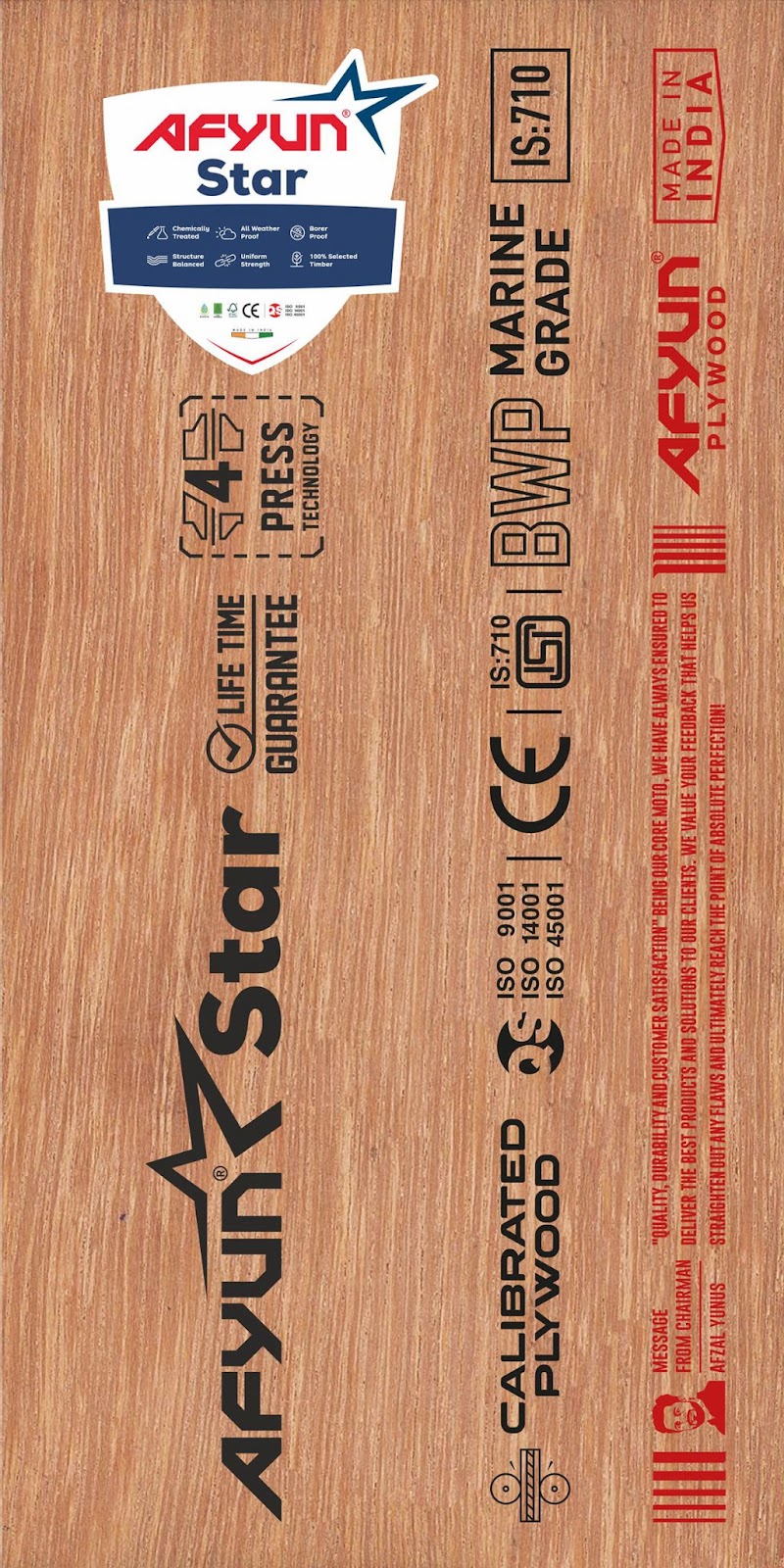
Afyun Star

Afyun Star - plywood for cupboards

Afyun Star - plywood for cupboards

The Afyun Star series undergoes major chemical treatments to resist borers for better life and long-lasting strength. High-quality wood and resin are used for this, making it resistant to water, moisture, and humidity.

  • Chemically-treated
  • Best Value for Money
  • All Weather Proof
  • Borer-proof
  • Long-lasting Strength
  • Structured Balance
  • Uniform Strength
  • High-impact Resistance

  1. Boiling Water Proof (BWP) Plywood

Boiling Waterproof (BWP) plywood is the next one on the list of plywood for cupboards. People confuse it with BWR plywood but it has different features. 

Why It Is an Ideal Plywood for Cupboards

  • Superior Water Resistance: BWP plywood is not just resistant to water; it’s waterproof. So, you can use it for cupboards in areas with high moisture levels, such as bathrooms and kitchens.
  • Strength: BWP plywood is solid and can support heavy loads without causing damage. This is particularly useful for cupboards that need to store heavy items.
  • Resistance to Warping: Unlike other types of plywood, BWP plywood does not warp or bend over time, ensuring your cupboards maintain their shape and functionality.
  • Excellent Finish: BWP plywood offers a smooth surface that takes well to paints and veneers, allowing for beautiful cupboard finishes.

Product Suggestion

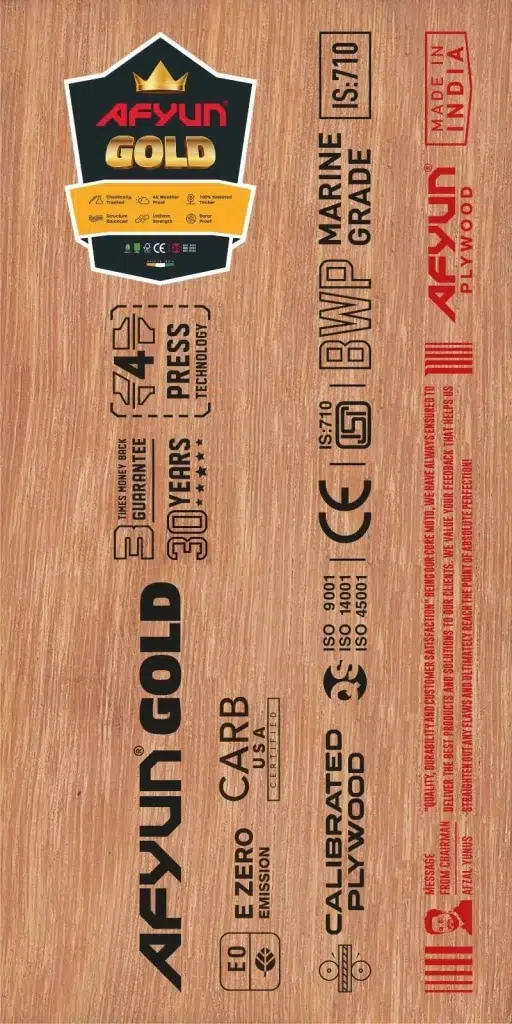
Afyun Gold

Afyun Gold

Afyun Gold is a premium Marine-grade Plywood that stands as a symbol of strength and durability. This high-quality plywood undergoes chemical treatment to offer better structural stability and resistance against borers, ensuring longevity. 

  • Chemically-treated
  • Uniform Thickness & Strength
  • High-grade Thick Face Veneers
  • Poreless Surface
  • Increased Structural Stability
  • Borer-proof
  • High-impact Resistance
  • All Weather Proof
  • Structured Balance

Also read: HDHMR vs Plywood

  1. Fire-retardant Plywood

Fire-retardant plywood, as the name suggests, is designed to resist fire. Therefore, it’s a safe choice for home interiors, especially for kitchen cupboards.

Why It Is an Ideal Plywood for Cupboards

  • Fire Resistance: The primary advantage of fire-retardant plywood is its ability to resist fire. This feature adds an extra layer of safety to your home, especially in kitchen cupboards where the risk of fire is high.
  • Durability: Despite its fire-resistant properties, this type of plywood does not compromise on durability. It can withstand regular use and heavy loads just like any high-quality plywood.
  • Aesthetic Appeal: Fire-retardant plywood comes in various finishes and can be painted or stained to match your interior décor, offering both safety and style.
  • Versatility: This plywood can be used in various applications, including cupboards in bedrooms, living rooms, or offices, providing a uniform look throughout your home or workspace.

Product Suggestion

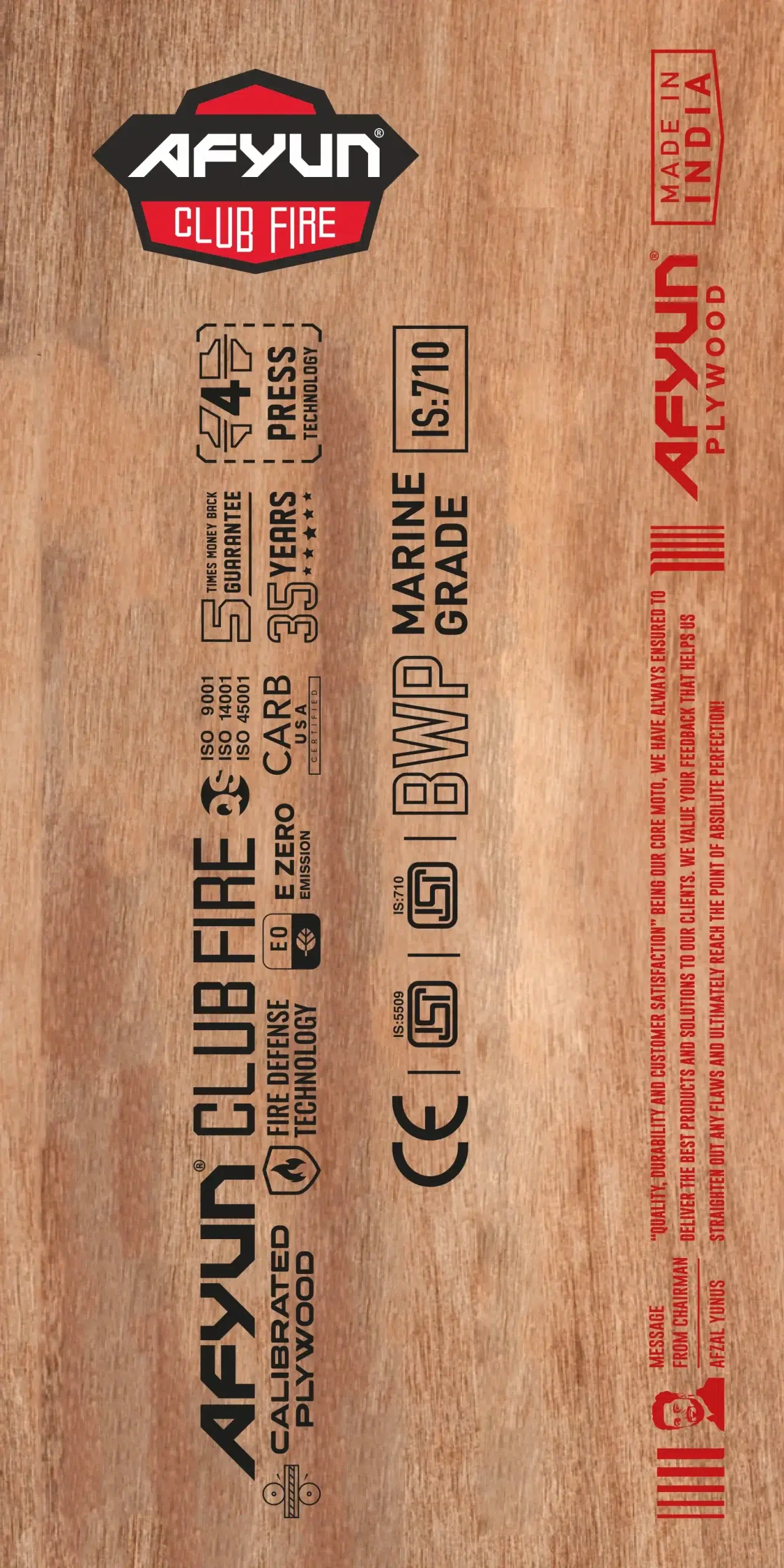
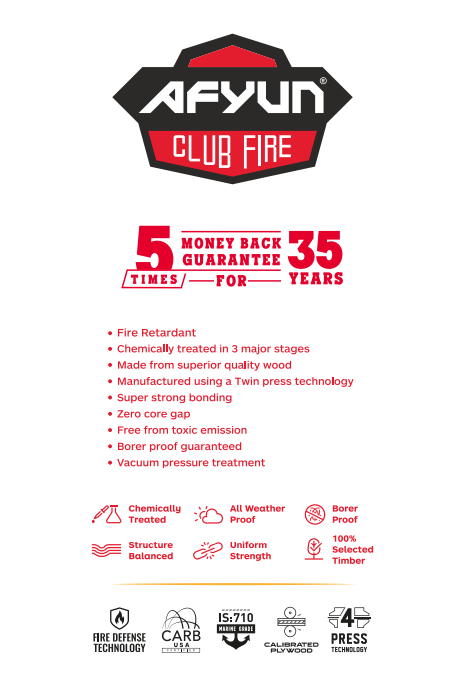
Afyun Club Fire

Afyun Club Fire is specially manufactured to resist fire. It’s its chemical treatment that give this plywood the ability to fight fire. 

Afyun Club Fire - plywood for cupboards

Afyun Club Fire - plywood for cupboards

Also read: Best Plywood for Wardrobe

The Bottom Line

If you are looking for the right plywood for cupboards, go for BWR, BWP or Fire-retardant Plywood, all thanks to their specific features. To name some products, Afyun Star (BWR), Afyun Gold (BWP), and Afyun Club Fire (Fire-retardant Plywood) would be the ideal ones. Before finalizing a plywood, make sure you understand the needs of your space so that you can choose the perfect one.

Enquire Now